Conférence du vendredi 6 février 2026
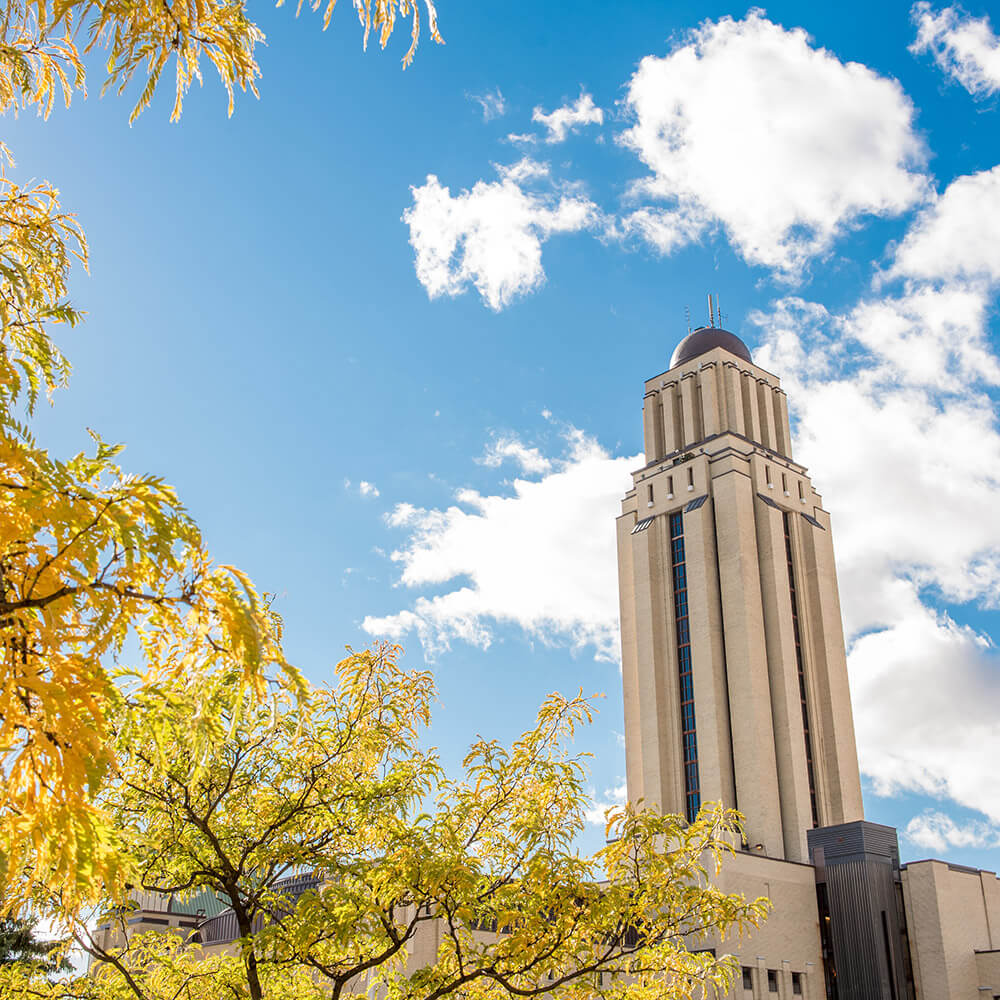
Complexe des sciences, 1375, avenue Thérèse-Lavoie-Roux , a3521.1
Montréal (QC) Canada H2V 0B3
Description
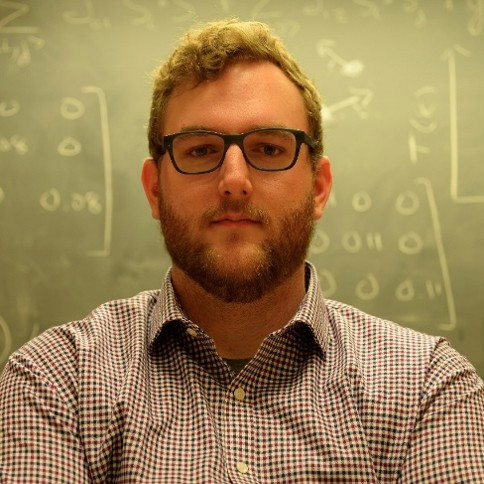
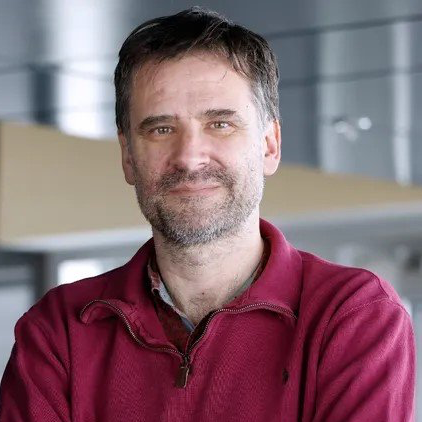
Designing and Building Cosmic Explorer, the Next-Generation of US Gravitational-Wave Observatories - Stefan Ballmer (Syracuse)
Abstract:
The Advanced LIGO gravitational-wave detectors just finished their fourth observation run during which several hundred new transients from binary black hole and neutron star collisions were observed. With this growing catalog of binary mergers in hand, we can now optimize future upgrades and detectors with good guidance on observable signals. Intriguingly, it is feasible to observe binary black hole mergers throughout cosmic times, all the way back to mergers of remnants of the first stars.
This talk will discuss the design work for Cosmic Explorer, which is underway with NSF funding support. I will highlight some exciting aspects of the detector technology behind Cosmic Explorer, with a particular focus on improving optical coatings for gravitational wave detectors. Specifically, I will explore the possibility of using new crystalline optical coating materials to lower thermal noise. I will address the project's timeline, key technological and political challenges, and important milestones ahead.
Bio: Stefan Ballmer is a Professor of Physics and the Director for the Center for Gravitational Wave Astronomy and Astrophysics at Syracuse University. He serves as Director for Instrument Science R&D for the Cosmic Explorer project. For the last two decades he has been designing, building, and upgrading gravitational-wave detectors. He received his Ph.D. form the Massachusetts Institute of Technology.
sballmer.expressions.syr.edu