Conférence du jeudi 28 août 2025
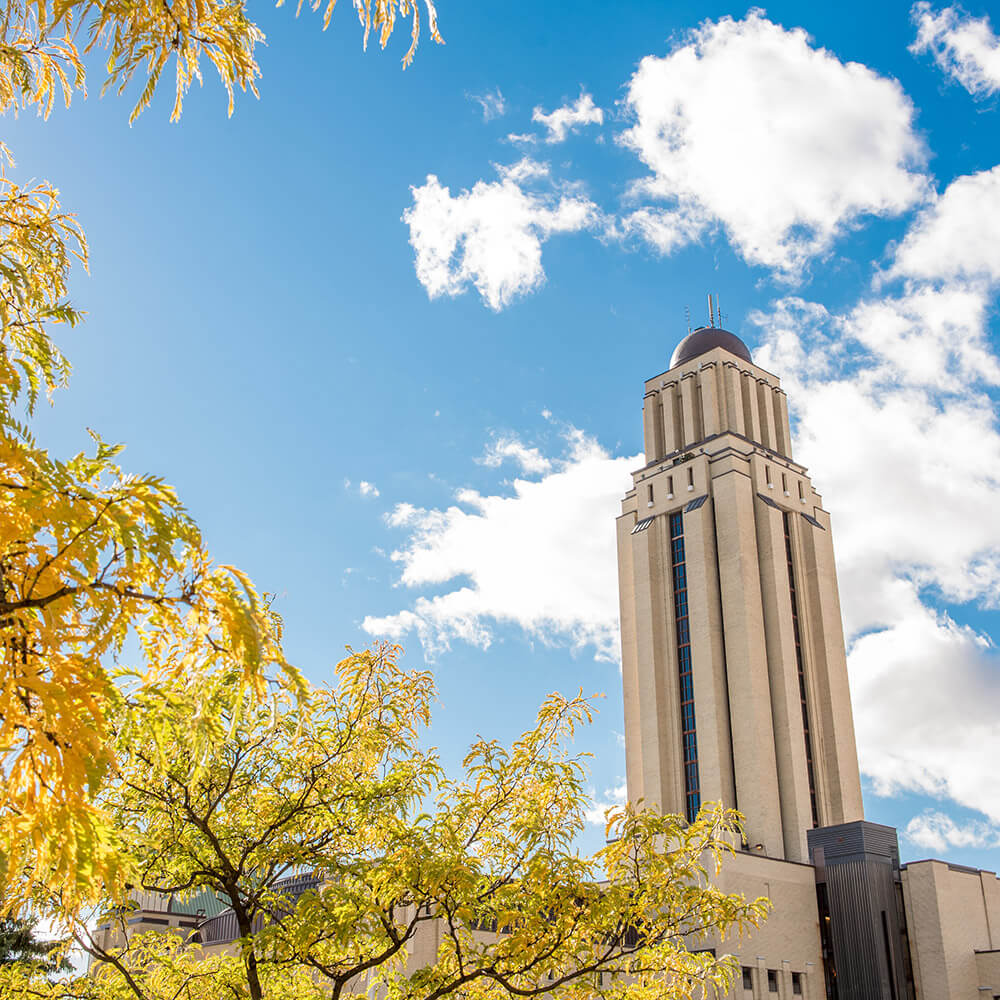
Complexe des sciences, 1375, avenue Thérèse-Lavoie-Roux , a4502
Montréal (QC) Canada H2V 0B3
Description
Fullertubes: Exploring the Frontier of 0D and 1D materials - Steven Stevenson (Purdue University)
Abstract: It has been 30+ years since the discovery of C60 fullerenes and single wall carbon nanotubes. Throughout the decades, scientists were fascinated with the following question: If electric-arc plasmas can produce both fullerenes and nanotubes, does nature also produce “in-between” molecules that are ½ fullerene (endcaps) and ½ nanotube (tubular midsection)? If such hybrid structures do exist, then why are they not found yet in the laboratory setting? In 2020, our research group, for the first time, experimentally verified that such carbon molecules are indeed produced and are present as a family of C60+10n molecules.1 Unknown to others, these fullertube molecules had been hiding in carbon soot since 1990. The rapid succession of journal reports of purified [5,5] fullertubes progressed rapidly from C90 to C100 (2020)1 to C120 (2022)2 and then to C130 (2023).3 Each discovery was a new record for the most carbon atoms in an isolated molecule that was pristine and soluble.
In today’s seminar, I will discuss new high-risk, high-reward research opportunities for both fundamental science and emerging application development. I will provide a current update for ongoing collaborative research between the fruitful collaboration of FIRST Molecules Research Center (Purdue University Fort Wayne) and the Institut Courtois (Université de Montréal). In conclusion, we will envision how these new family of carbon molecules will provide new opportunities to explore the frontier of 0D and 1D materials. For further information, see the seminal review paper on fullertubes (open access) and QR codes below.
References:
1. doi.org/10.1021/jacs.0c08529
2. doi.org/10.1021/jacs.2c06951