Conférence Barré : Erwin Reisner, Université de Cambridge (Jour 2)
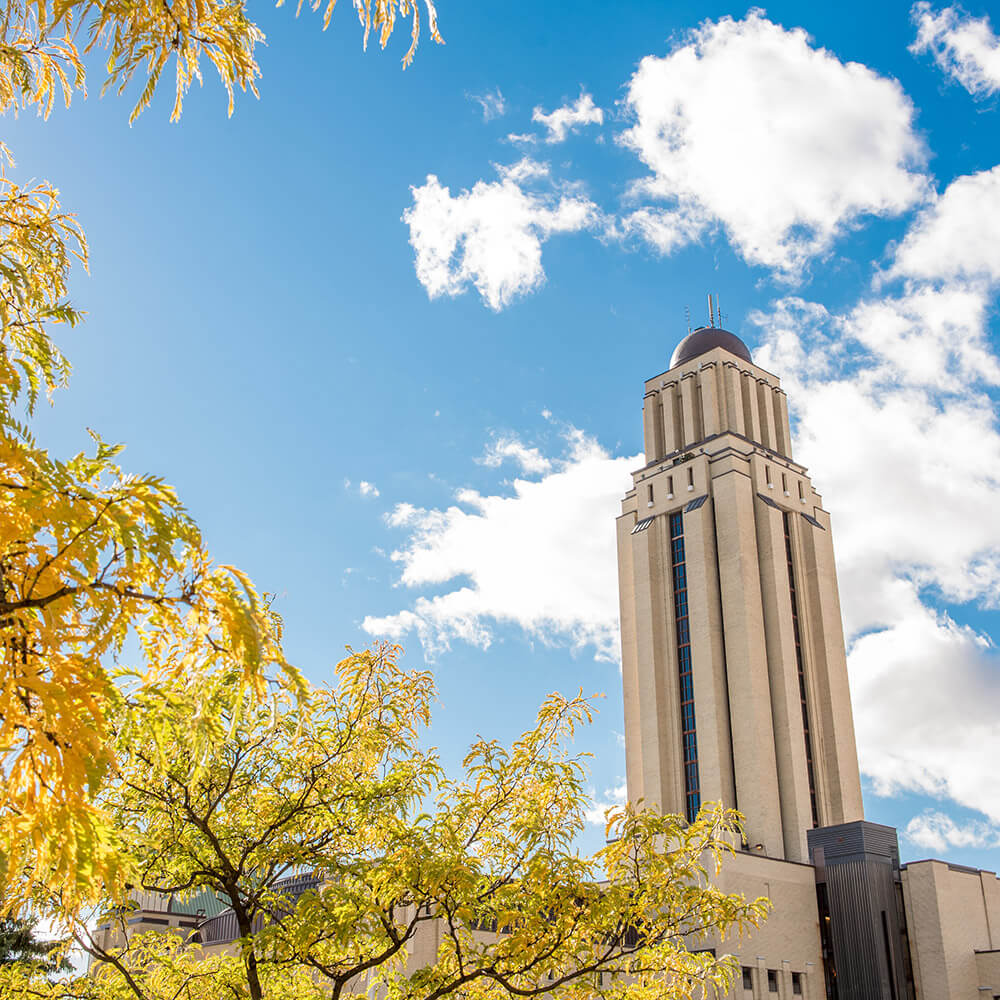
Complexe des sciences, 1375, avenue Thérèse-Lavoie-Roux , aile A, a-3561
Montréal (QC) Canada H2V 0B3
Description
Jours 2
Title: Solar Chemical Technologies
Abstract: Inspired by the blueprint of photosynthesis, creating synthetic systems for the direct conversion of sunlight into sustainable fuels has long been a defining ambition of chemistry. While decades of research have been spent on developing solar water splitting catalysts to produce green hydrogen, recently a new generation of photosynthesis-inspired architectures capable of directly converting sunlight, carbon dioxide and carbon waste streams has emerged. This advance has been made possible by developing and integrating metal complex and biological catalysts with semiconductor materials and electrodes, together with the engineering of bespoke devices. This lecture will first introduce functional mimics of photosynthesis, which couple semiconductor light absorbers with immobilised (bio)catalysts to achieve solar-driven carbon dioxide fixation alongside water oxidation to oxygen. Next, an alternative strategy will be presented that replaces the challenging water oxidation reaction by the oxidation of waste biomass and plastics. This concept, termed solar reforming, simultaneously improves reaction thermodynamics, enhances overall rate of catalysis, and creates economic value through oxidative valorisation while simultaneously generating clean fuel. The ongoing demonstration of outdoor solar plastic reforming at the kilogram and square-metre scale illustrates the growing potential of this approach as a practical route towards circular solar-powered manufacturing. The lecture will close by giving an overview of emerging frontiers in integrated solar chemistry, including atmospheric CO₂ utilisation, advanced light-management strategies, and solar-powered cascade catalysis for selective chemical organic synthesis. Together, this presentation aims to provide a compelling vision for a new generation of solar technologies that combine carbon capture, plastic and biomass waste valorisation, and renewable chemical manufacturing in integrated, scalable systems. More information: https://www-reisner.ch.cam.ac.uk/
(Organisateur: Shawn Collins)